
Kragujevac
You might like Kragujevac because of its sights, but it will surely win you over with its hedonistic rhythm, gastronomy and nightlife.
You might like Kragujevac because of its sights, but it will surely win you over with its hedonistic rhythm, gastronomy and nightlife. The city itself creates unforgettable moments in unexpected places. In the area of the City of Kragujevac, we find numerous traces of human life and remains of material culture from prehistoric times. A turning point and the most significant period in the development of the city begins in 1818, when Prince Miloš Obrenović declared Kragujevac the capital of Serbia.
What to see
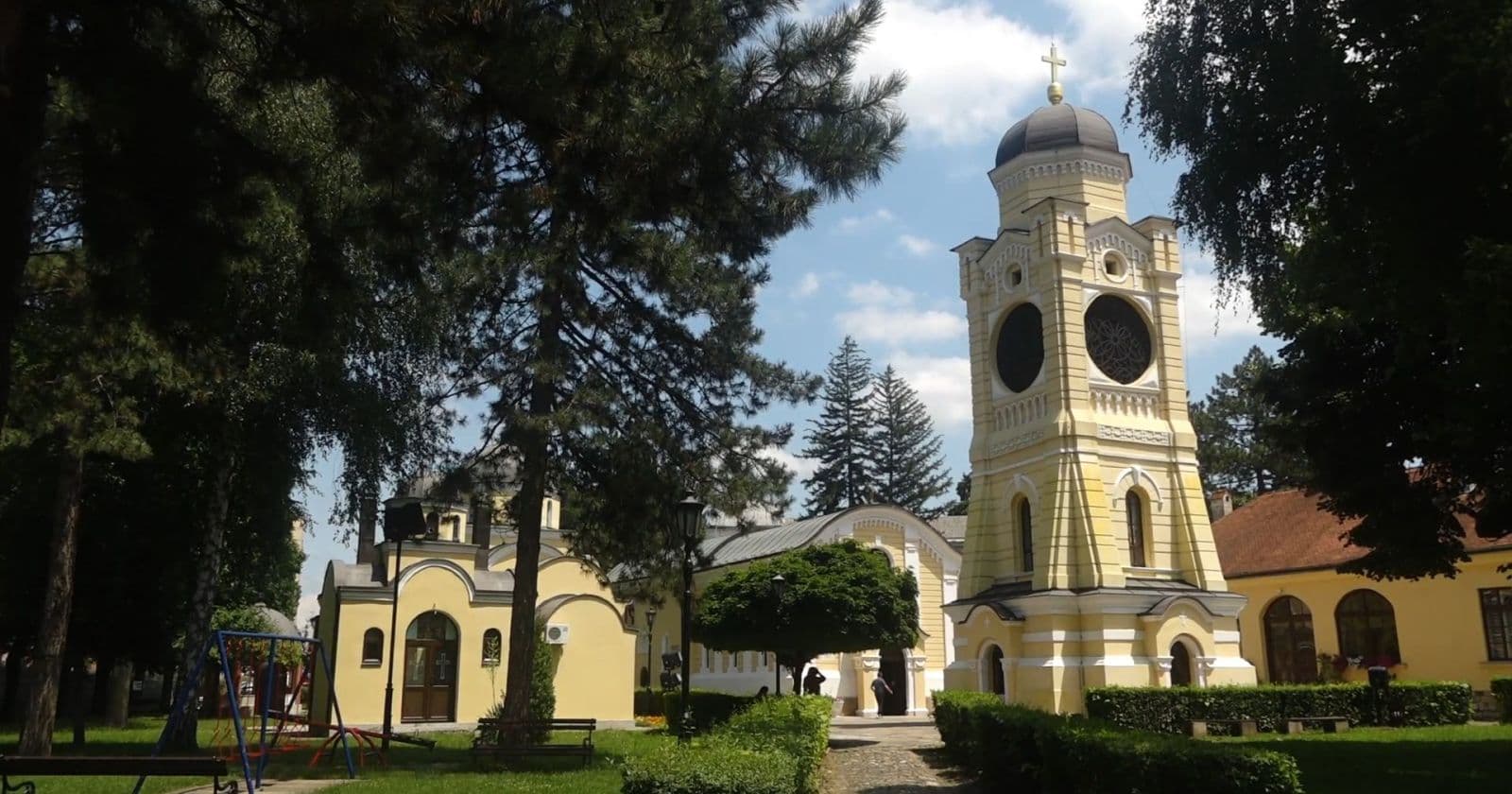
Miloš's Wreath
The cultural-historical complex 'Miloš's Wreath' includes the buildings of the old Miloš's court created during the period when Kragujevac was the capital (1818-1841). In a broader sense, it includes Amidža's Konak, the Old Church, the Old Assembly Building, Prince Mihailo's Konak, the First Kragujevac Gymnasium and other significant buildings.
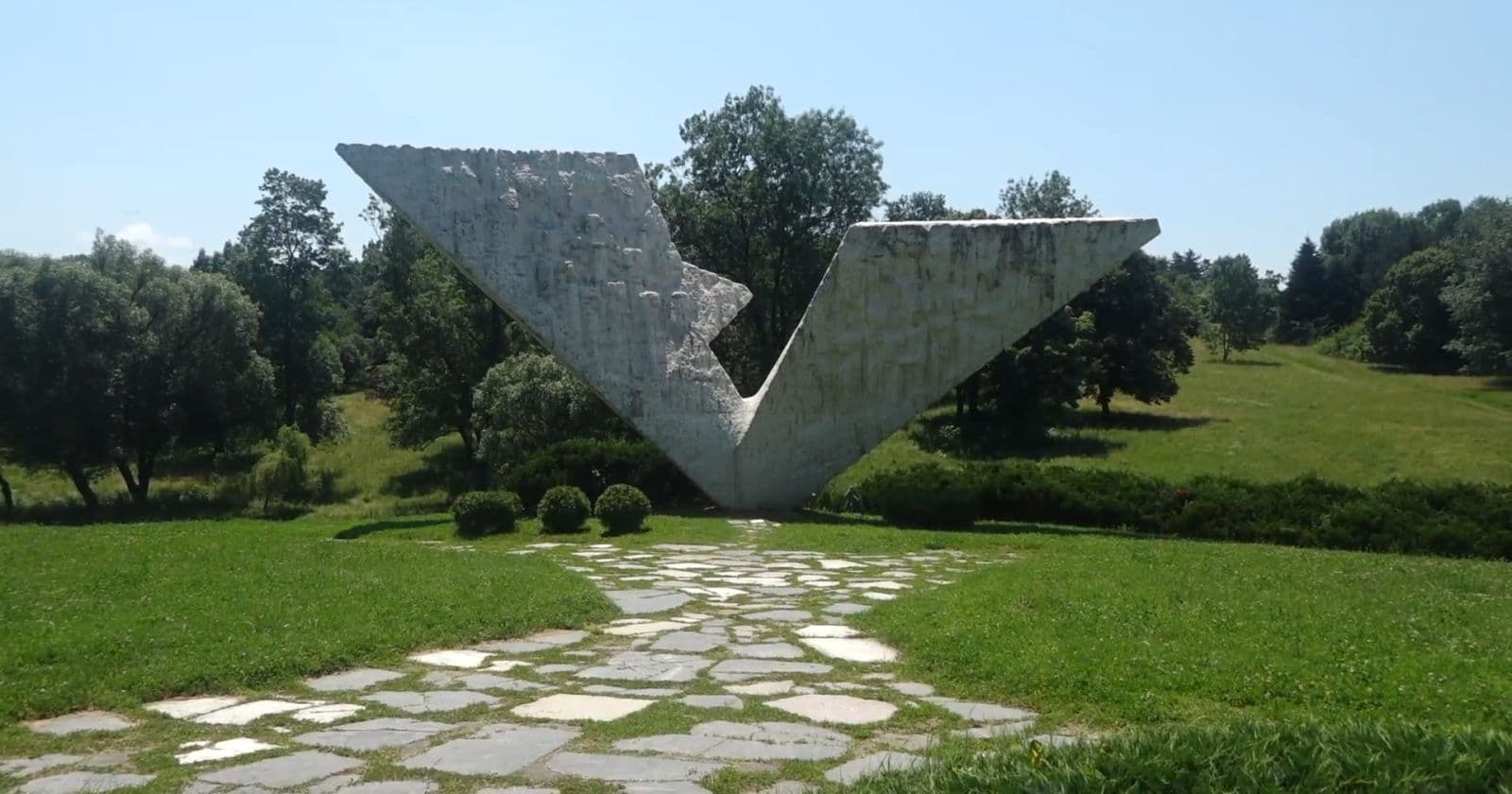
Memorial Park Šumarice
Memorial Park 'Kragujevac October' is located on the site where German soldiers shot several thousand citizens of Kragujevac on October 21, 1941. The entire area of Šumarice has been turned into a Memorial Park covering 352 hectares.
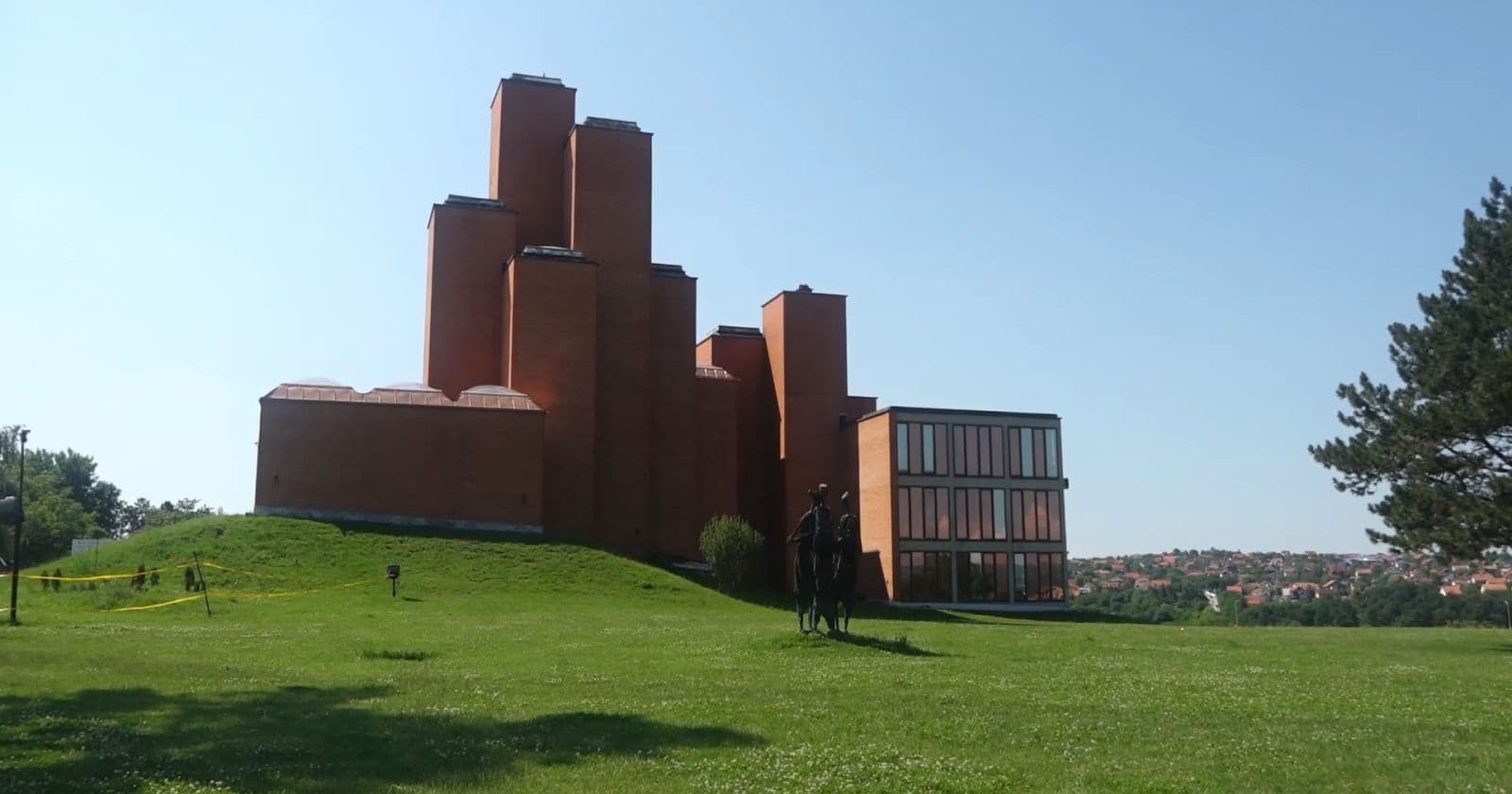
Museum October 21st
The 'October 21st' Museum was opened in 1976 and is located in Šumarice. It is dedicated to the victims of the mass shooting. The base of the museum, i.e., its foundation, is made in the shape of a cross, a Christian symbol of suffering.
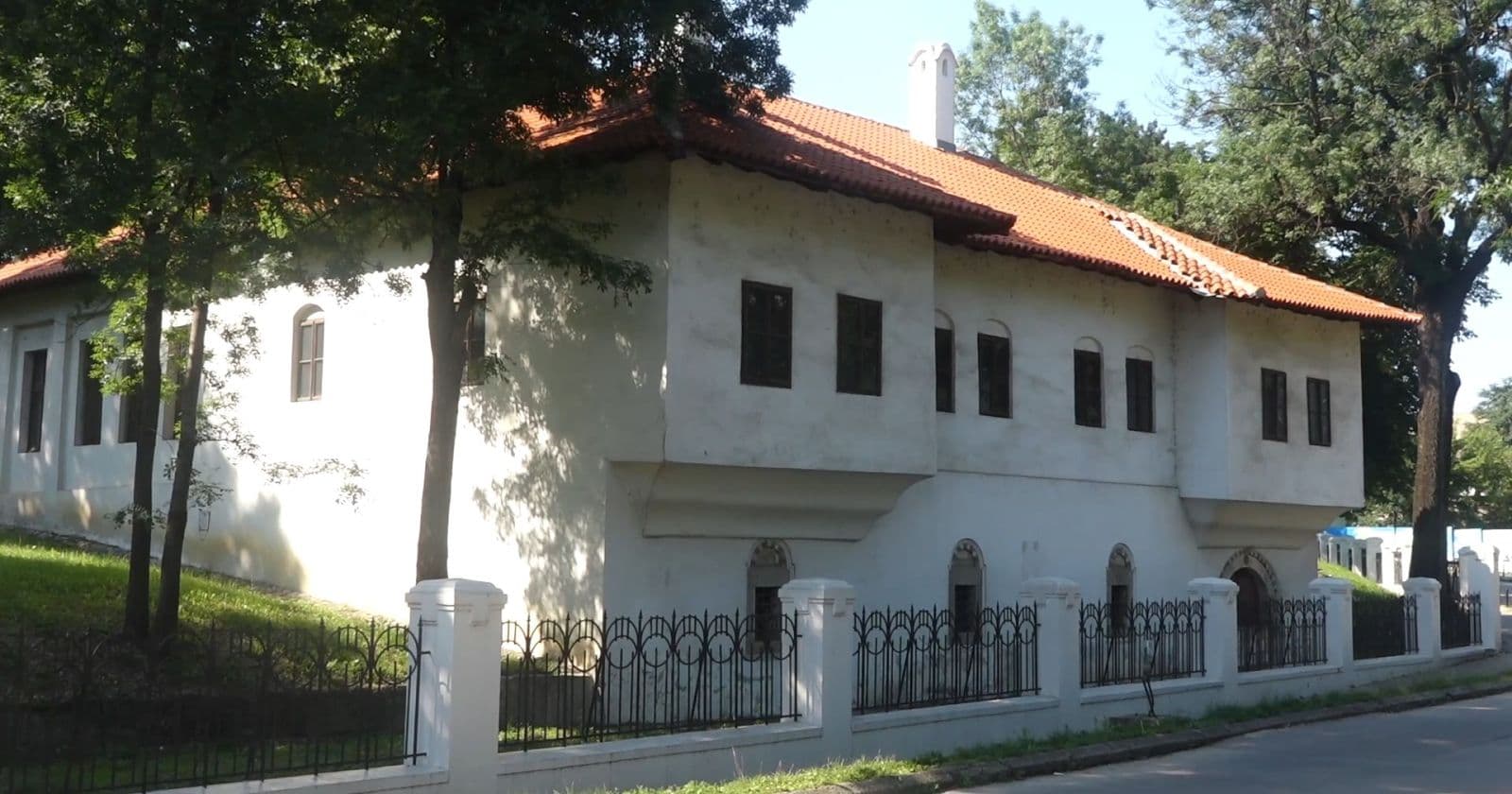
National Museum
A cultural institution that preserves and exhibits cultural assets from the Šumadija region. Located in several buildings, including Amidža's Konak and the Gallery, it represents a symbol of the region's cultural heritage.
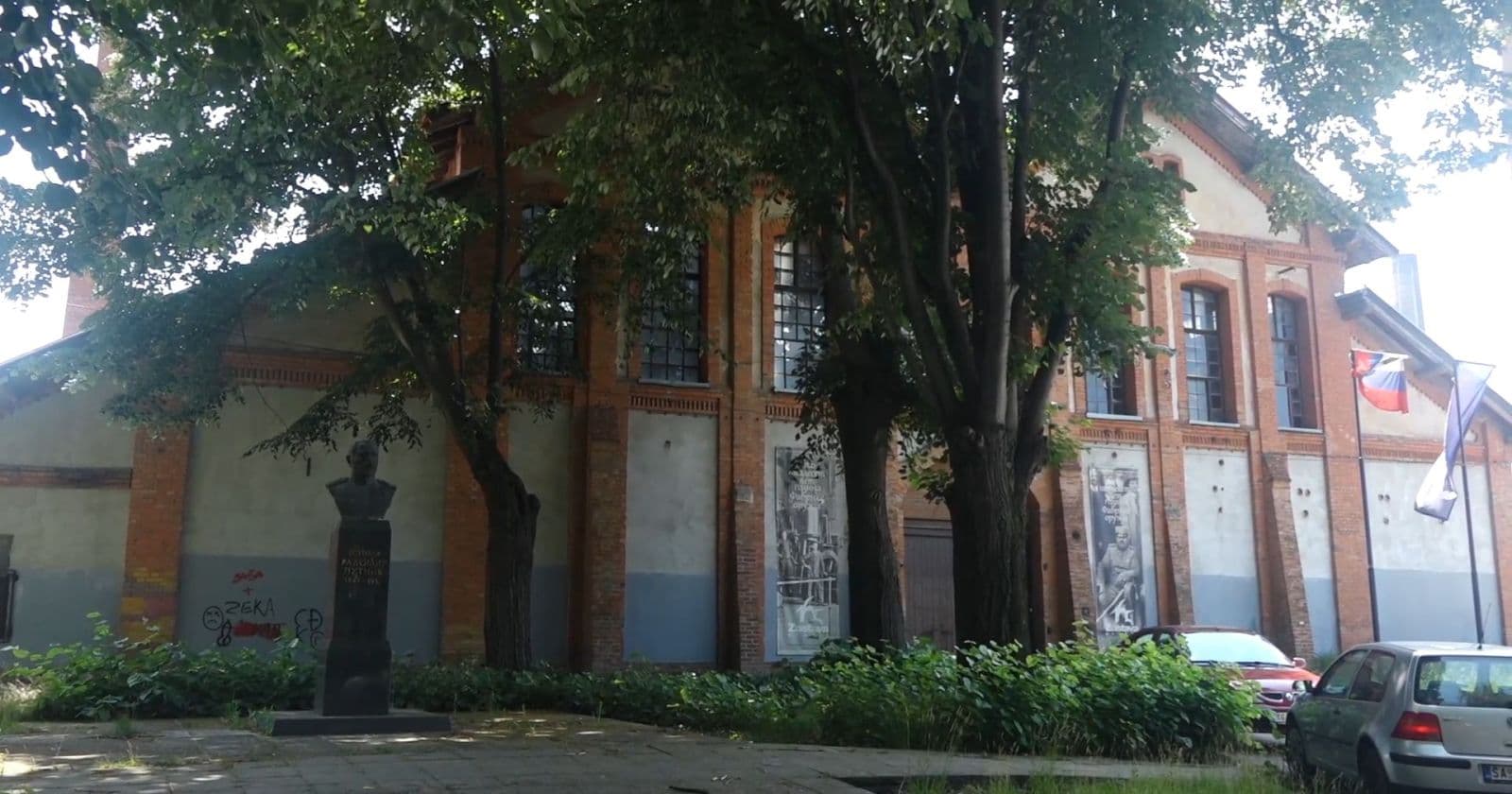
Old Foundry Museum
Located in the building of the former Foundry from 1882, the museum testifies to the beginnings of the Serbian military industry. It showcases the technical-technological development of the factory and holds collections of weapons, machines, and tools.
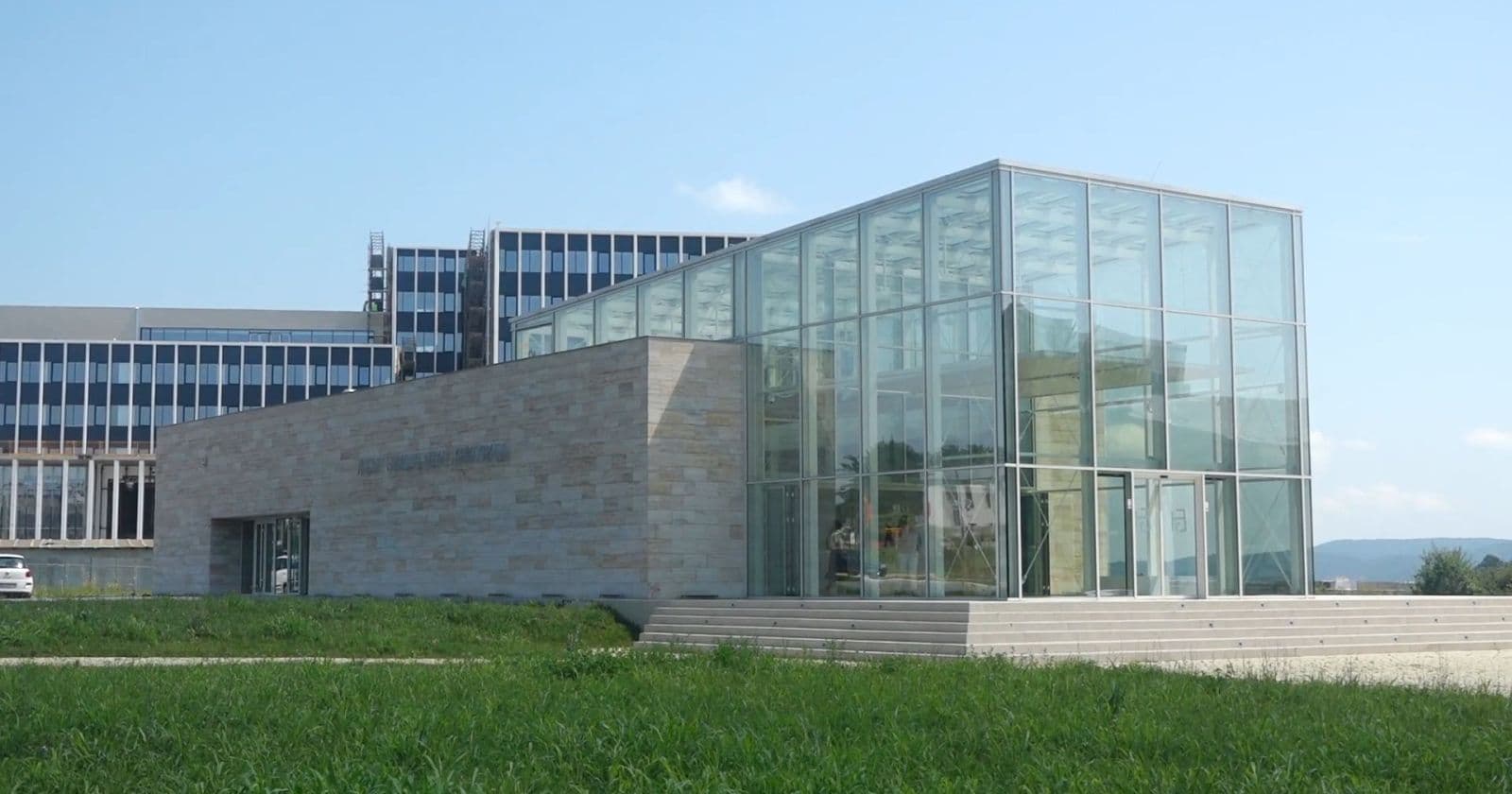
Legate of Nikola Koka Janković
A gallery dedicated to the work of academic sculptor Nikola Koka Janković. It exhibits over 1700 artifacts, including sculptures and drawings, in a modern space near the University.
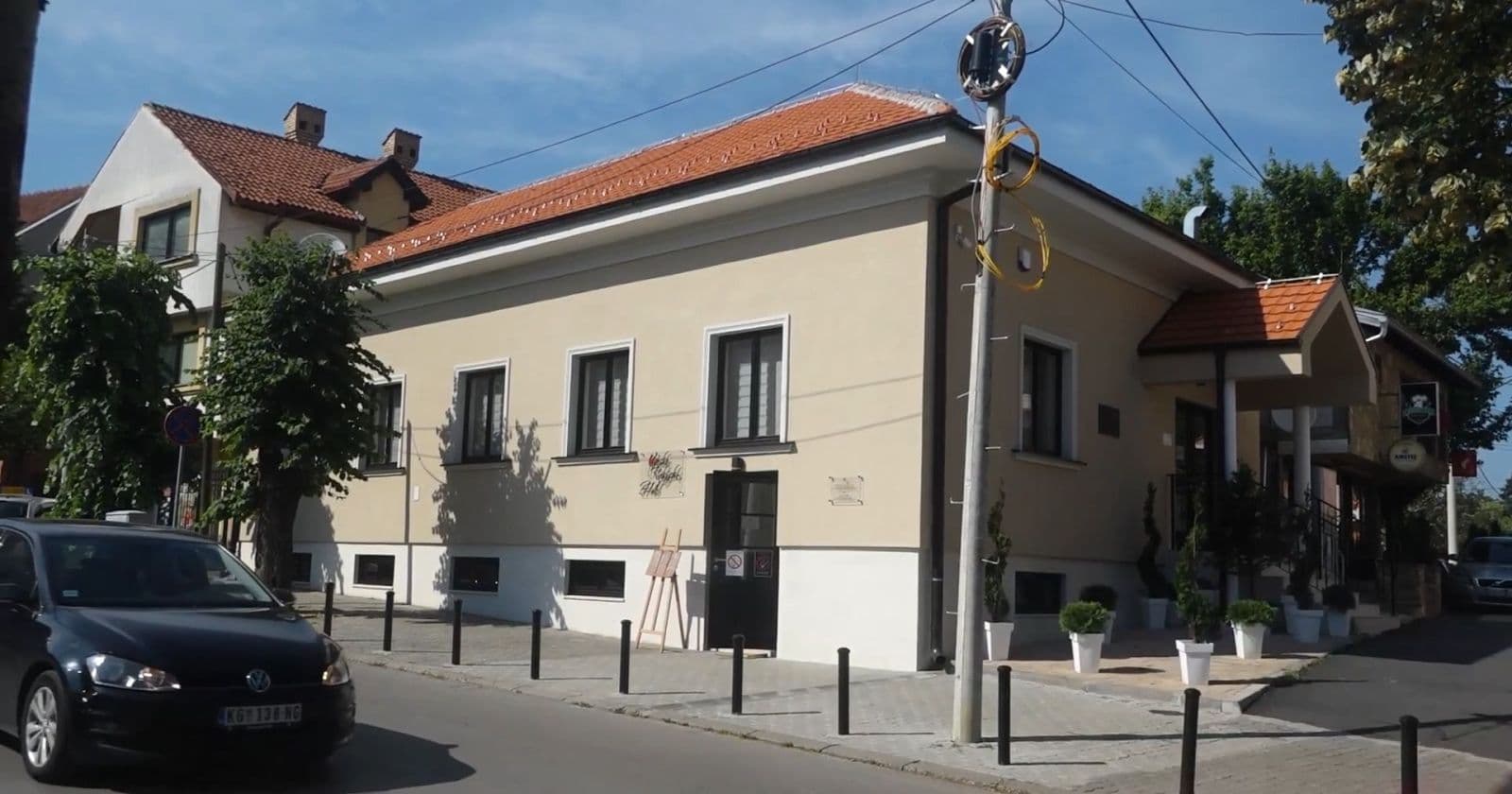
House of Đura Jakšić
Memorial house and gallery on the site where poet and painter Đura Jakšić lived. Today it functions as a multimedia space for exhibitions and promotions, with a wine and brandy hub in the basement.
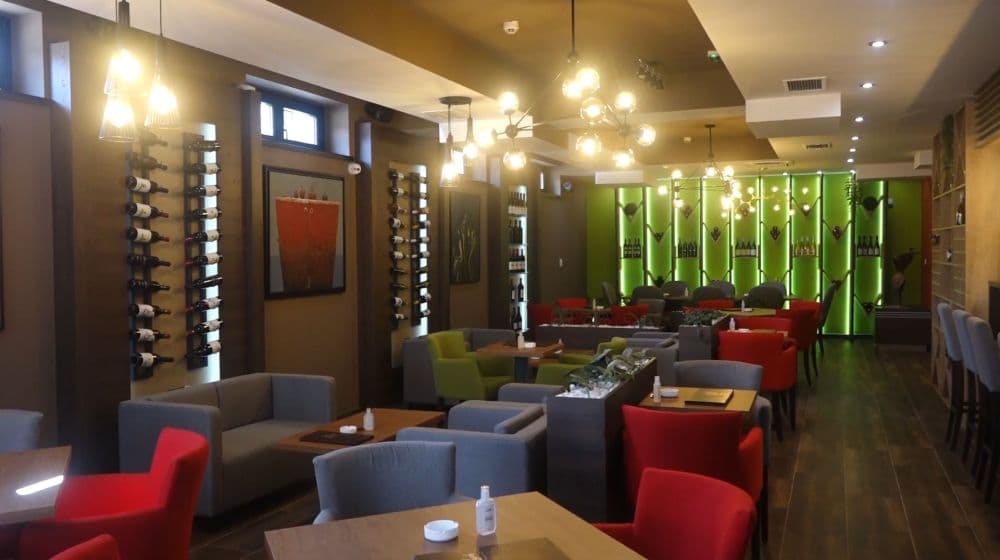
Wine and Brandy Hub
Located in the House of Đura Jakšić, the hub is a center for the promotion and tasting of authentic wines and brandies from Šumadija. It offers over 100 types of drinks from local producers.
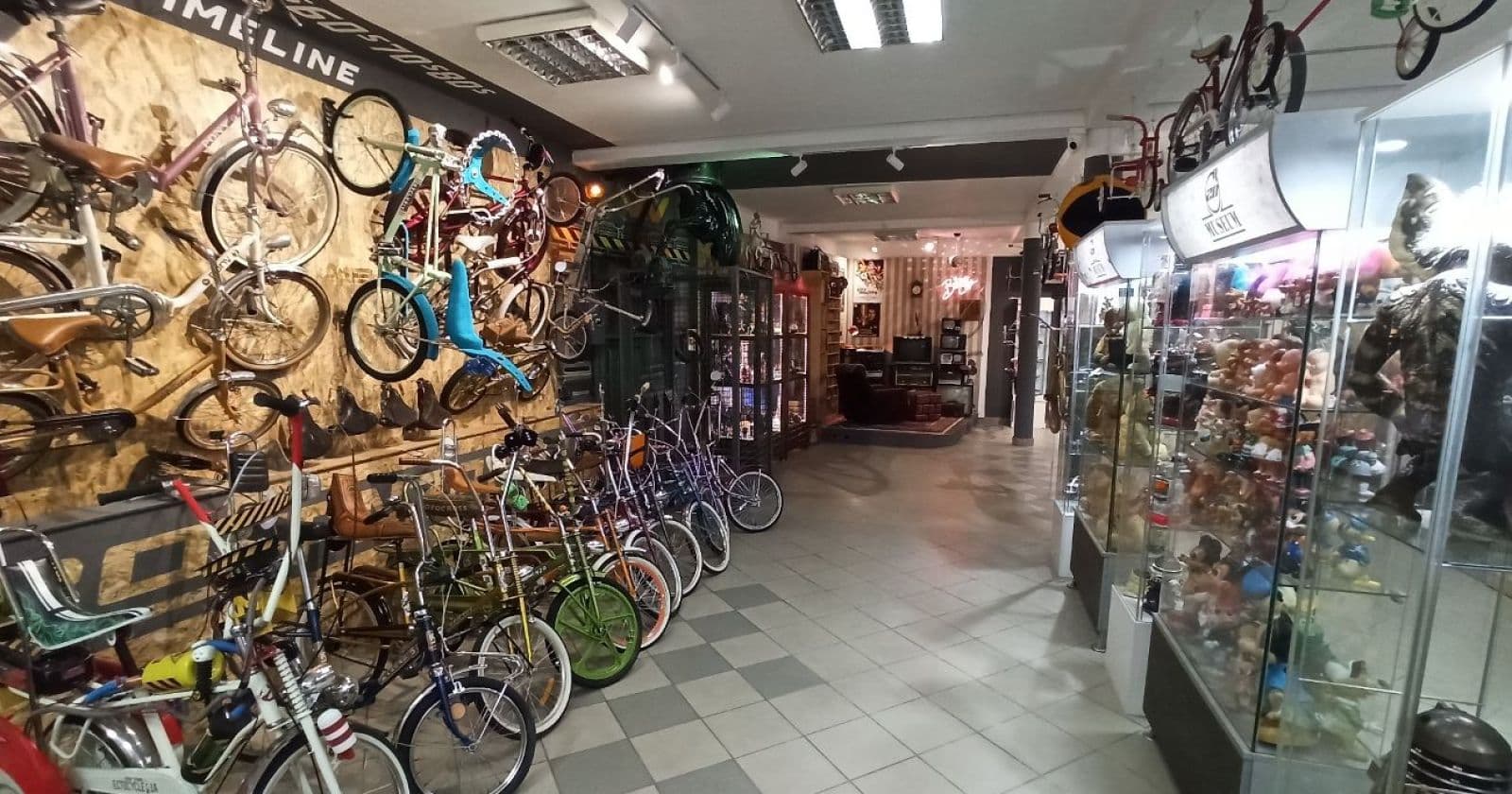
Bicycle Museum '20 Cola'
A unique museum dedicated to the history of bicycles and 20th-century pop culture. It showcases collections of bicycles (especially Pony bikes), toys, video games, and music devices that evoke nostalgia.
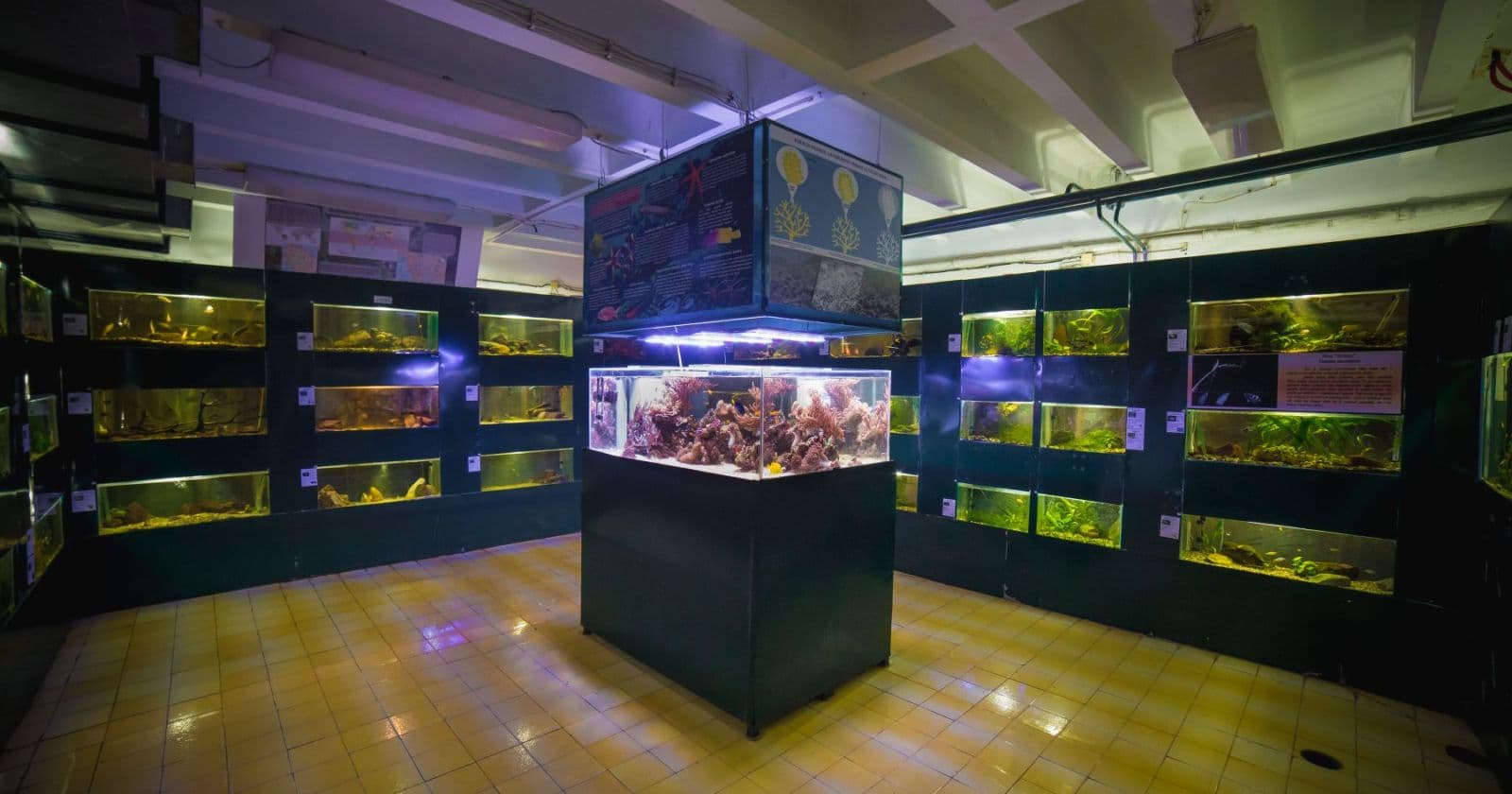
Aquarium Kragujevac
The first public aquarium in Serbia, located within the Faculty of Science. It contains a rich collection of freshwater fish species, amphibians, reptiles and invertebrates.
Monasteries
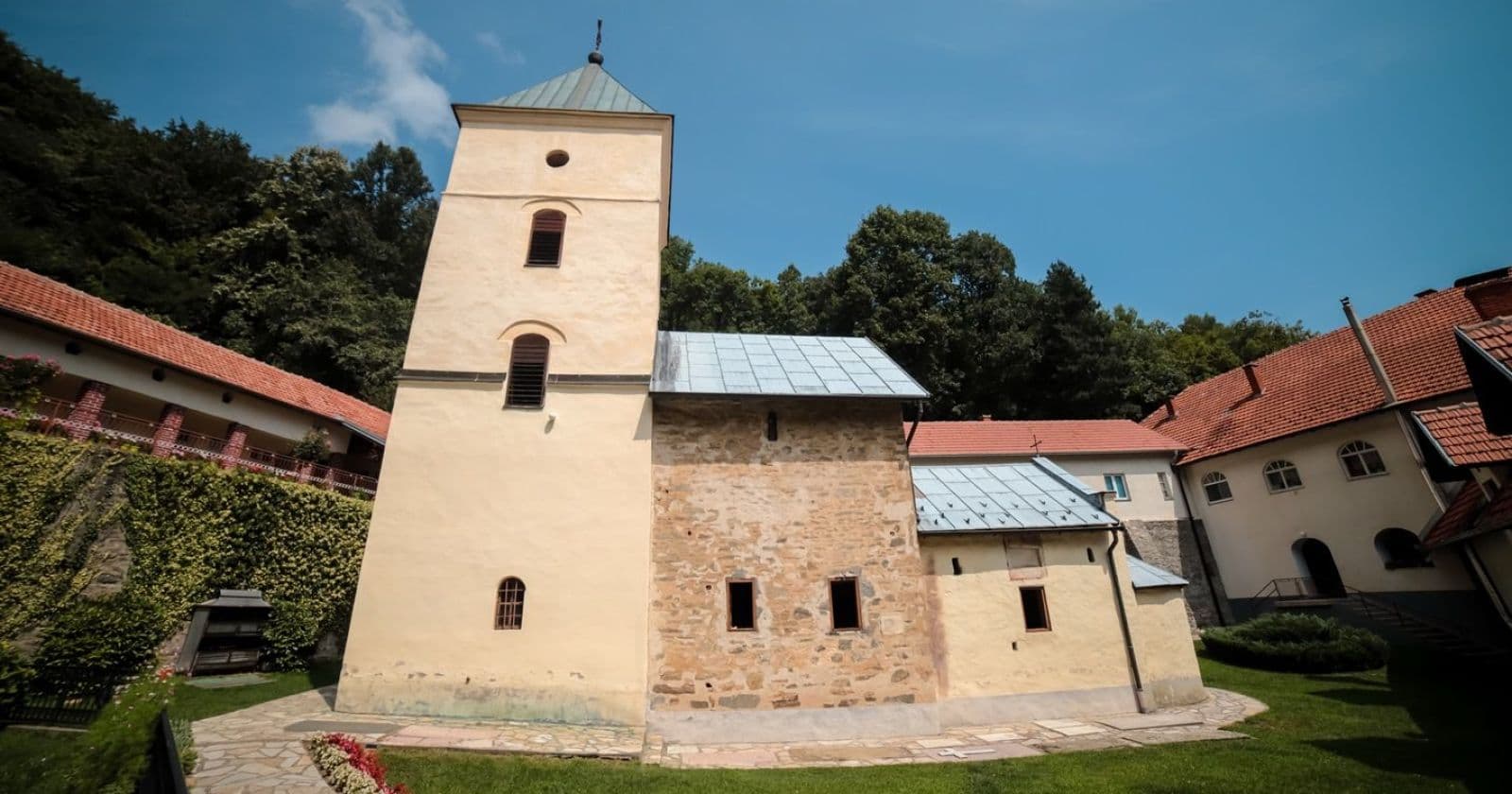
Monastery Blagoveštenje
Located near Stragari, dating back to the 14th century. Known for its frescoes and role in the First Serbian Uprising. The church is dedicated to the Annunciation of the Holy Mother of God.
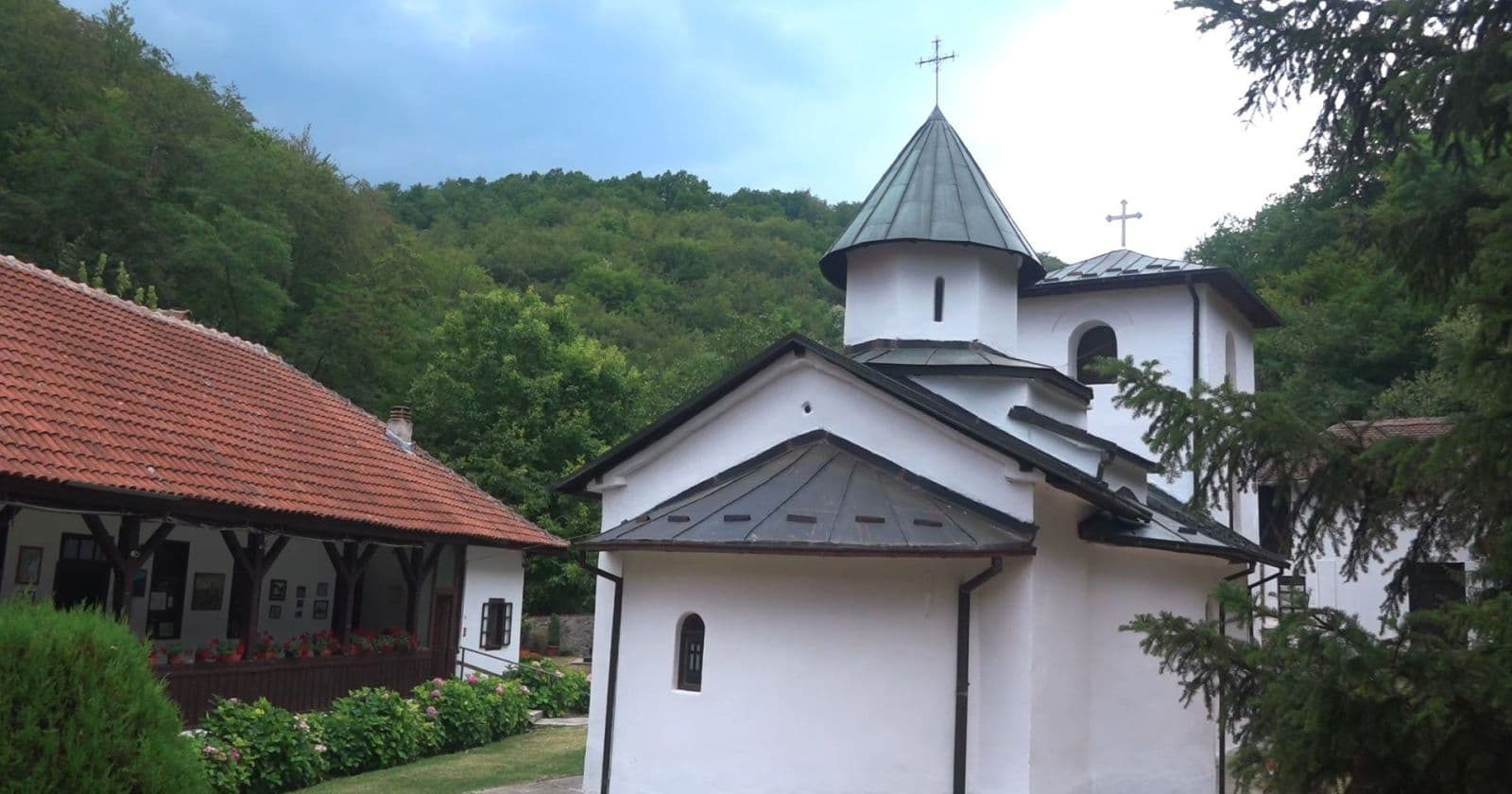
Monastery Voljavča
Located near Stragari, founded in the 15th century. The first session of the Serbian Ruling Council was held here in 1805. Dedicated to the Holy Archangels.
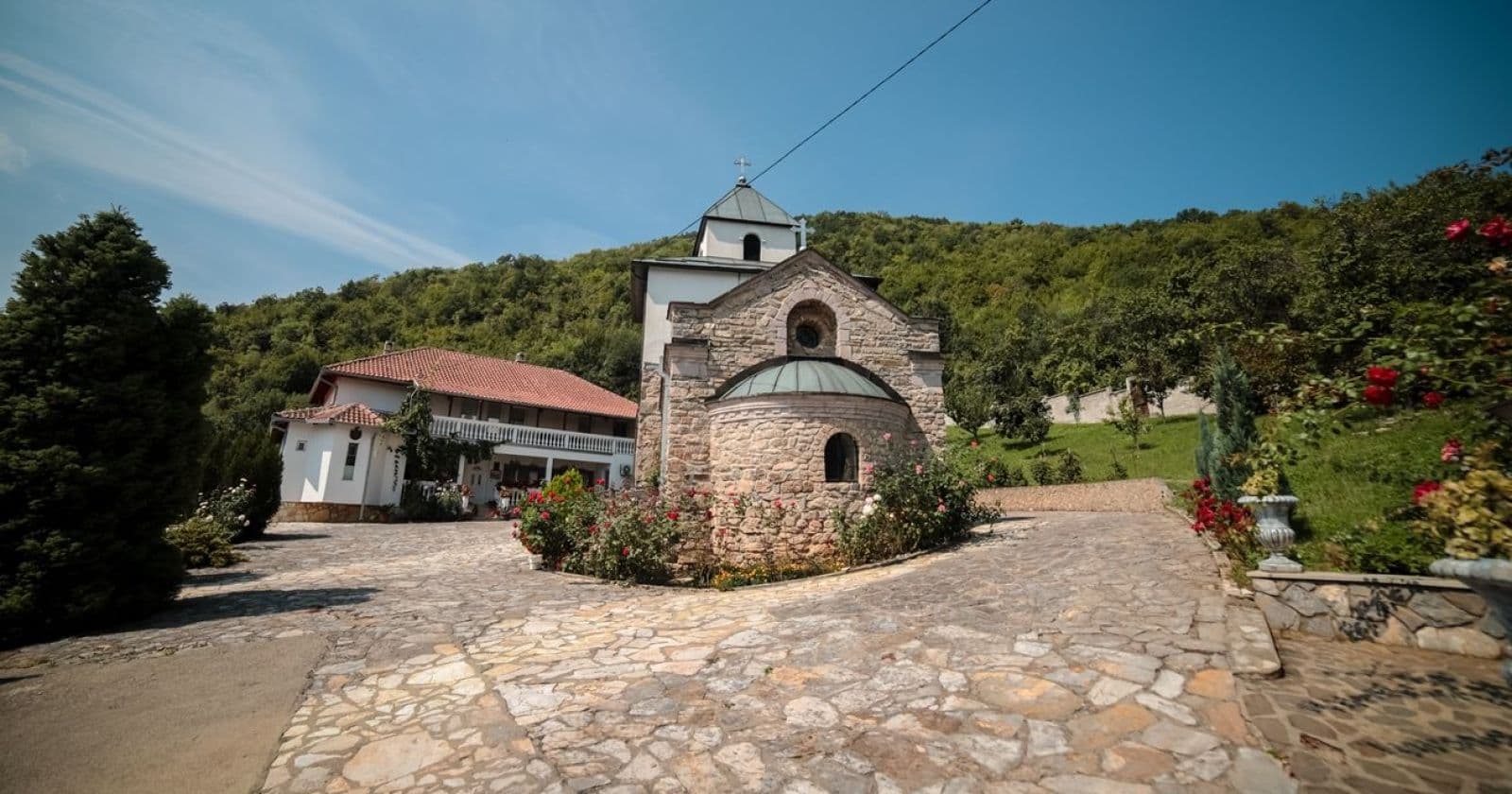
Monastery Petkovica
Located near Stragari, dating back to the 13th century. The church is dedicated to St. Petka. Known for its beautiful natural surroundings and spiritual significance.
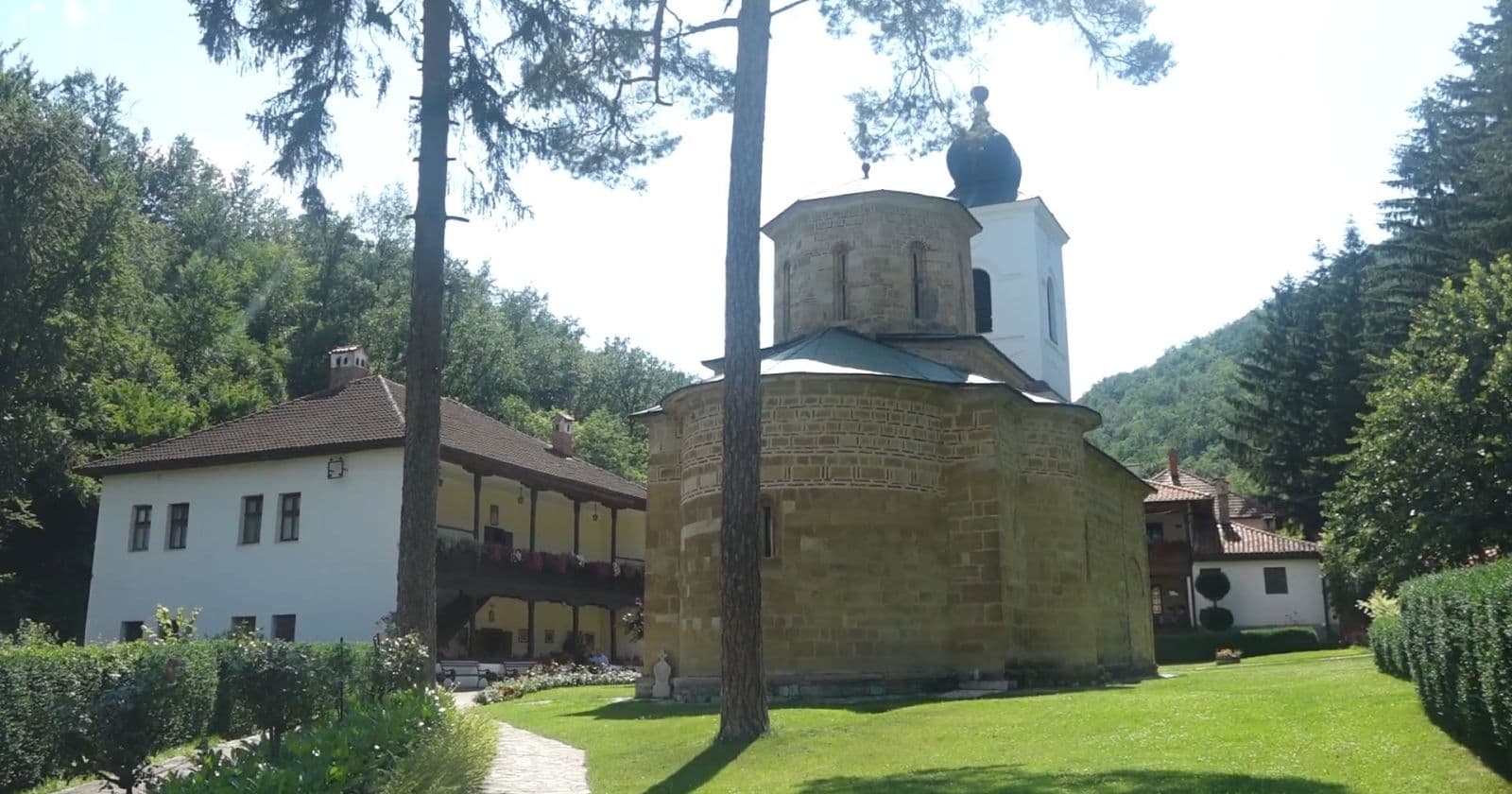
Monastery Drača
Located in the Drača river valley. The church is dedicated to the transfer of the relics of St. Nicholas. Mentioned in the 16th century, restored in the 18th century.
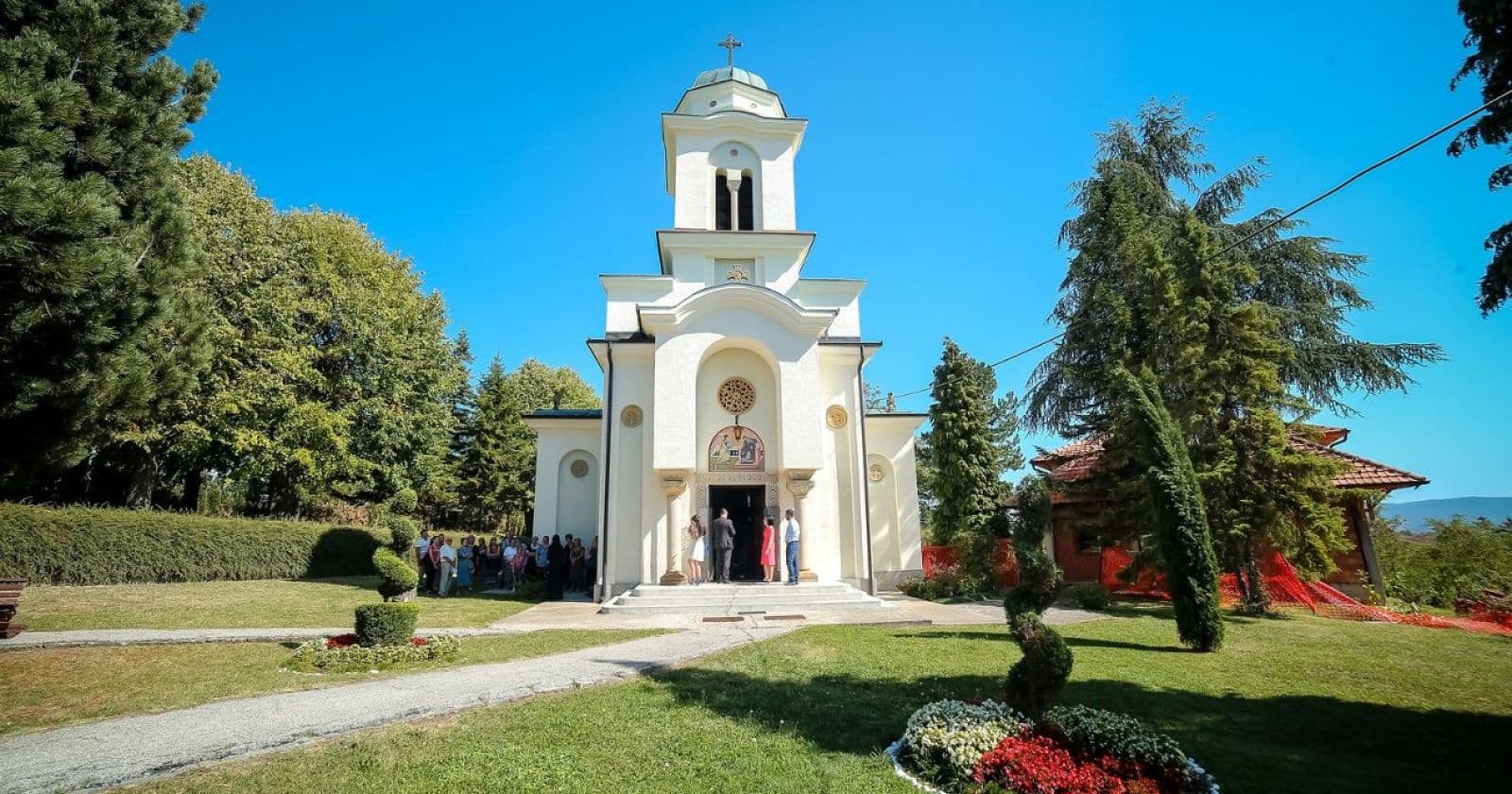
Monastery Divostin
Located in the settlement of Divostin. According to tradition, it was founded by Despot Stefan Lazarević. Dedicated to the Annunciation.
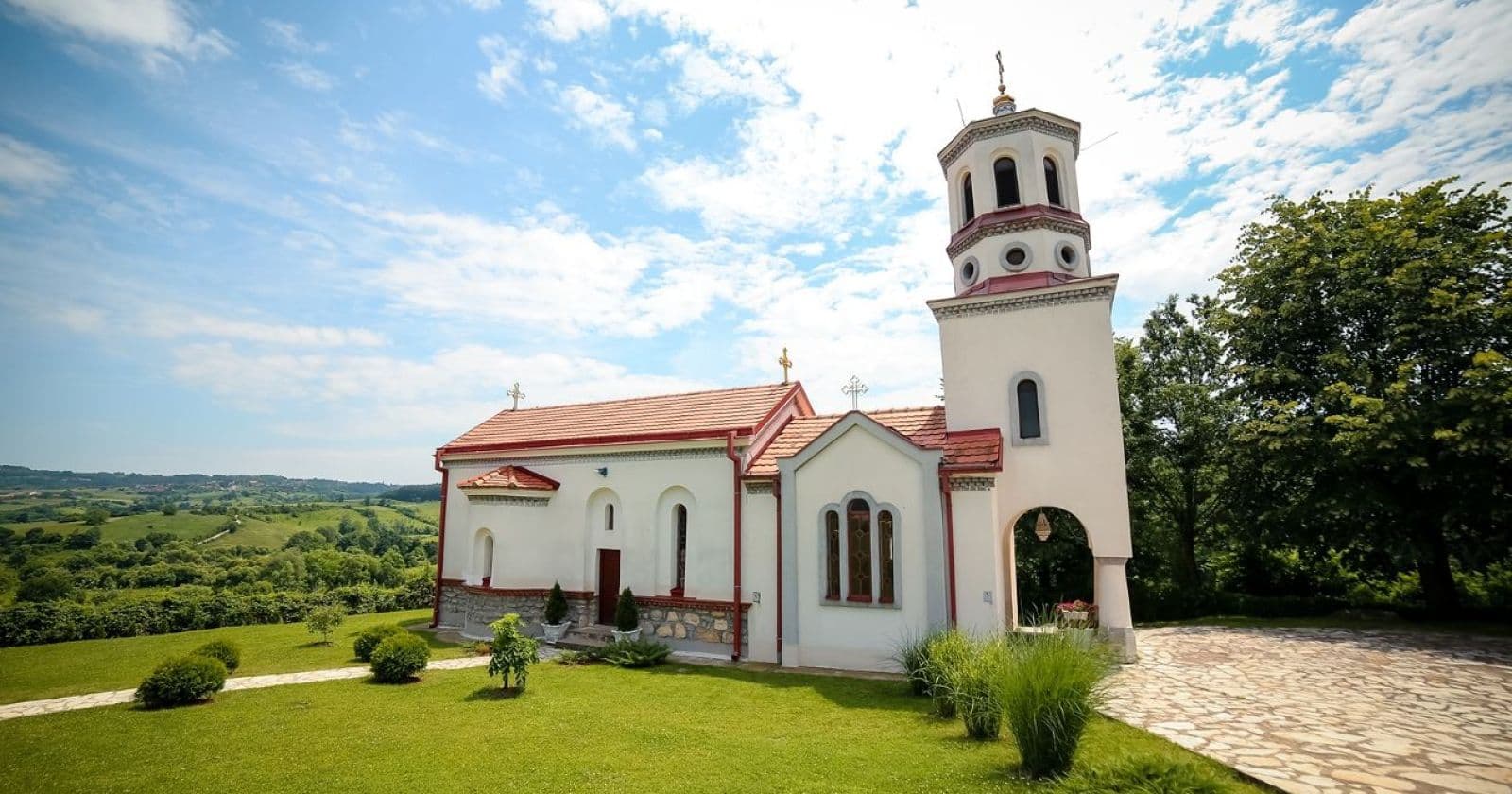
Monastery Lipar
Located in Donja Sabanta. Known for the stay of poet Đura Jakšić, who wrote the poem 'Na Liparu' ('On Lipar') here.
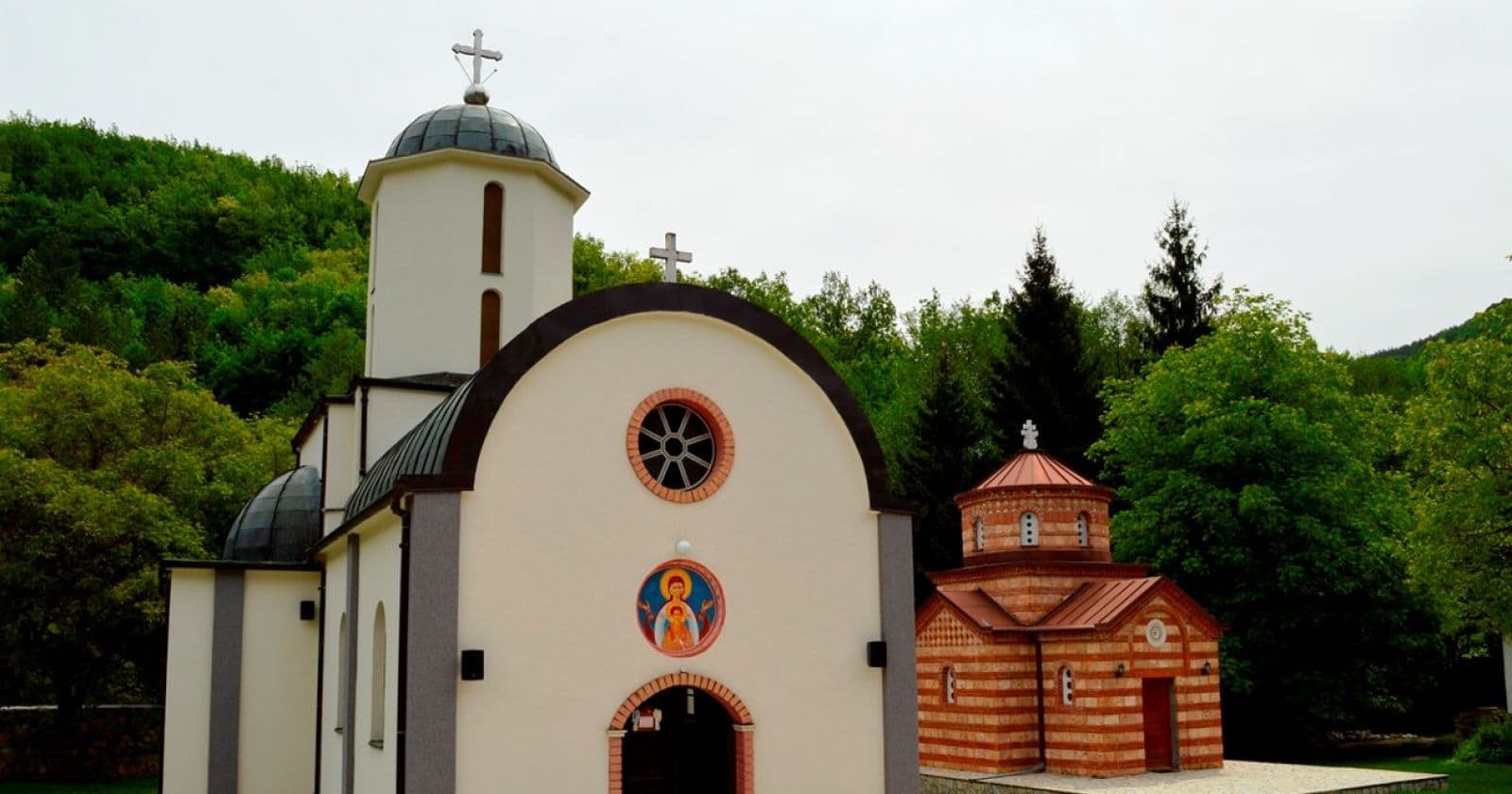
Monastery Denkovac
Located near Velike Pčelice. Dates back to the Middle Ages. Dedicated to the Assumption of the Holy Mother of God. Restored in recent times.
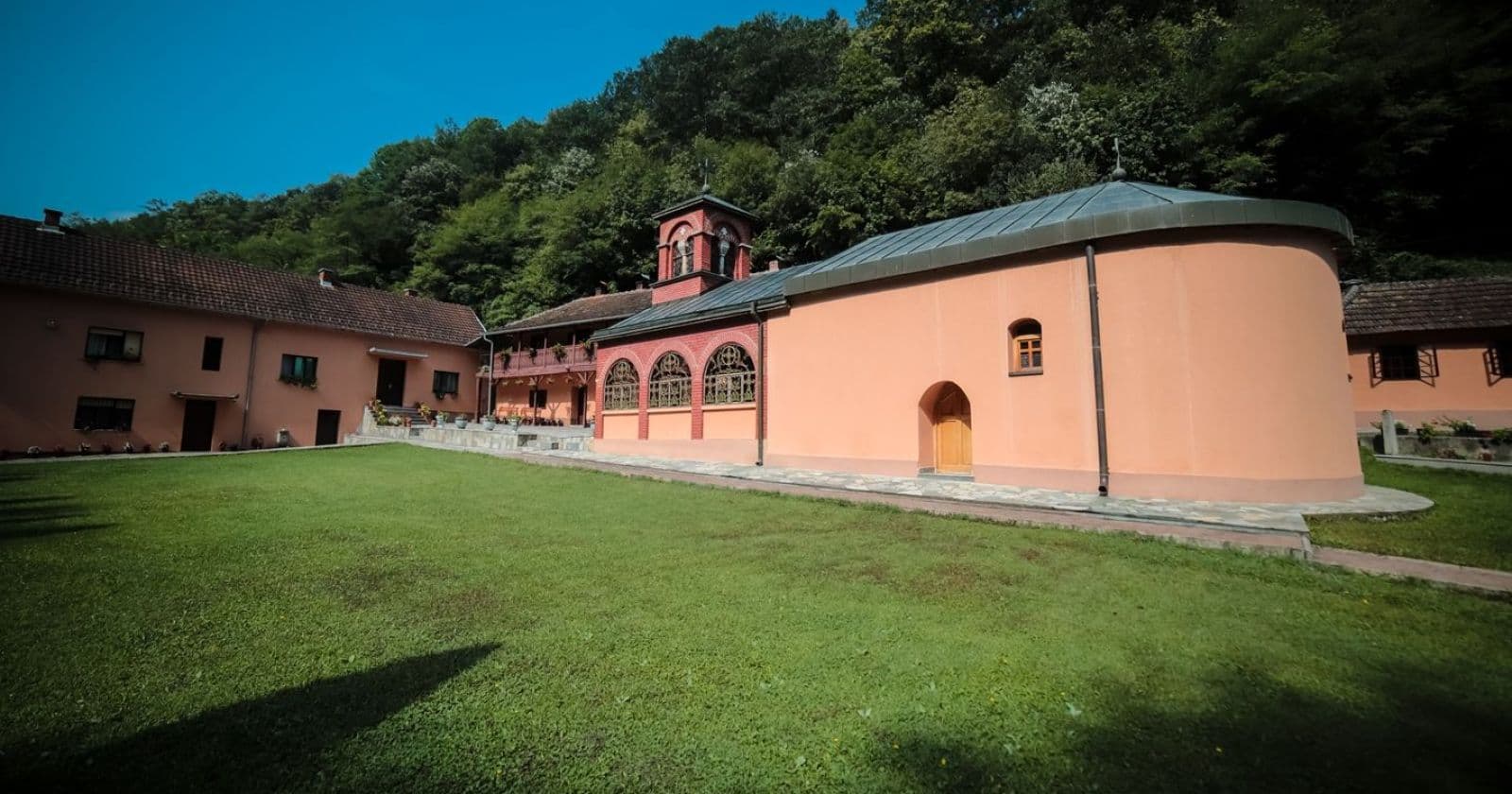
Monastery Raletinac
Located near Velike Pčelice. According to tradition, an endowment of Rala, one of three sisters. Dedicated to the Holy Apostles Peter and Paul.
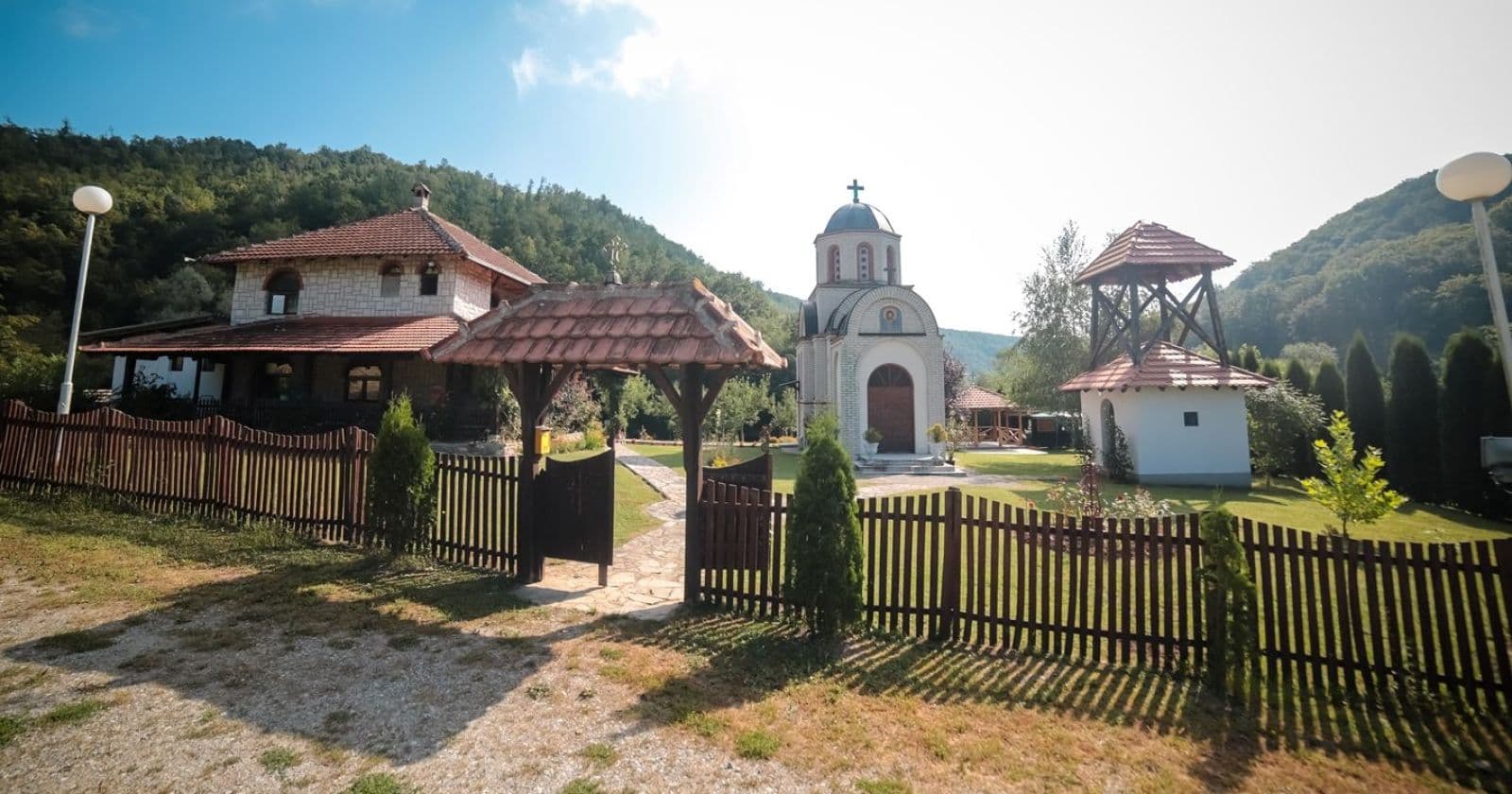
Monastery Sarinac
Located near Velike Pčelice. Associated with the legend of sister Sara. The church is dedicated to the Ascension of the Lord.
Events
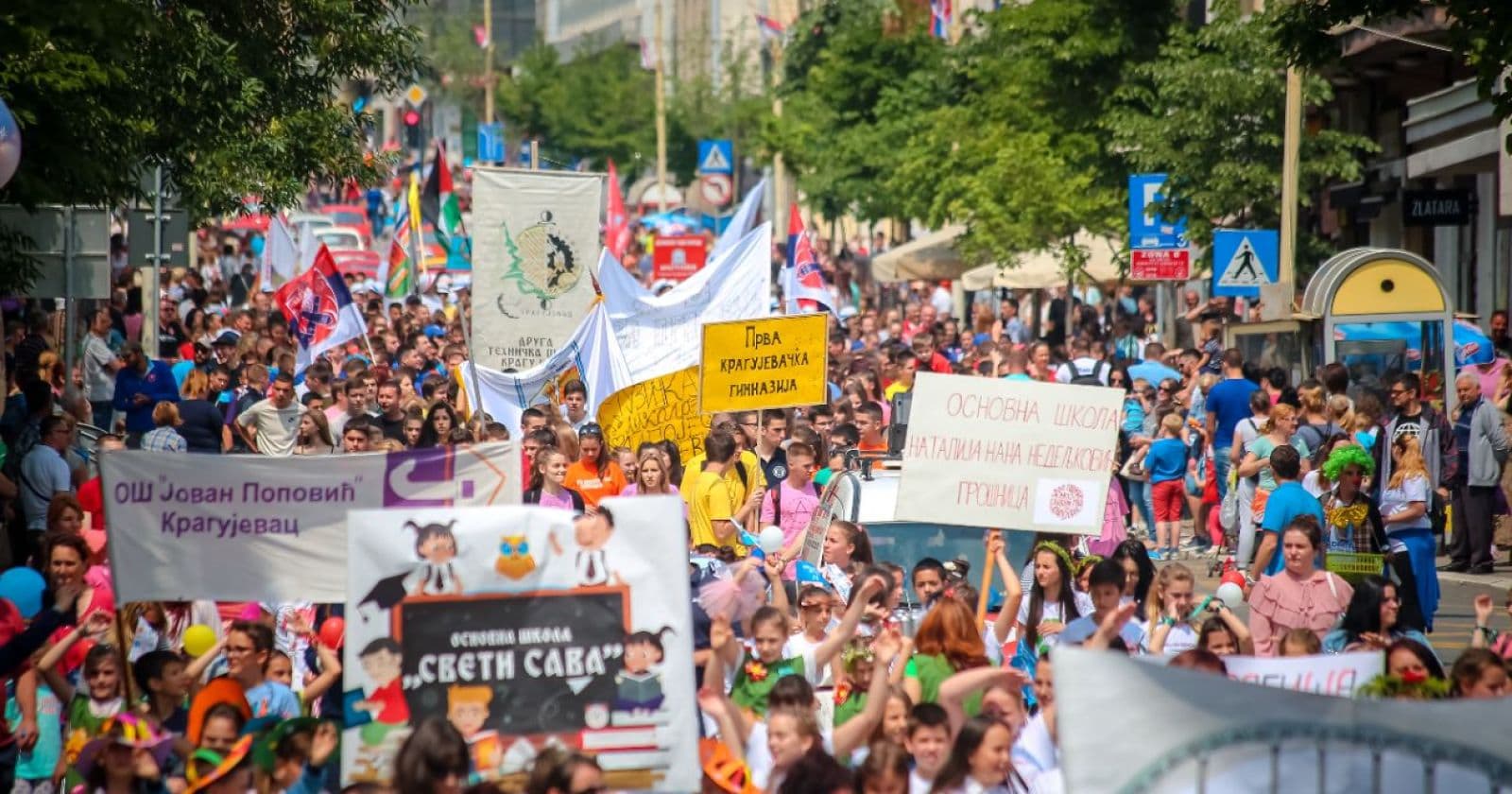
St. George's Day Carnival
A traditional children's annual event held on May 6th to mark the City Day. Includes a festive parade of masked children through the central streets.
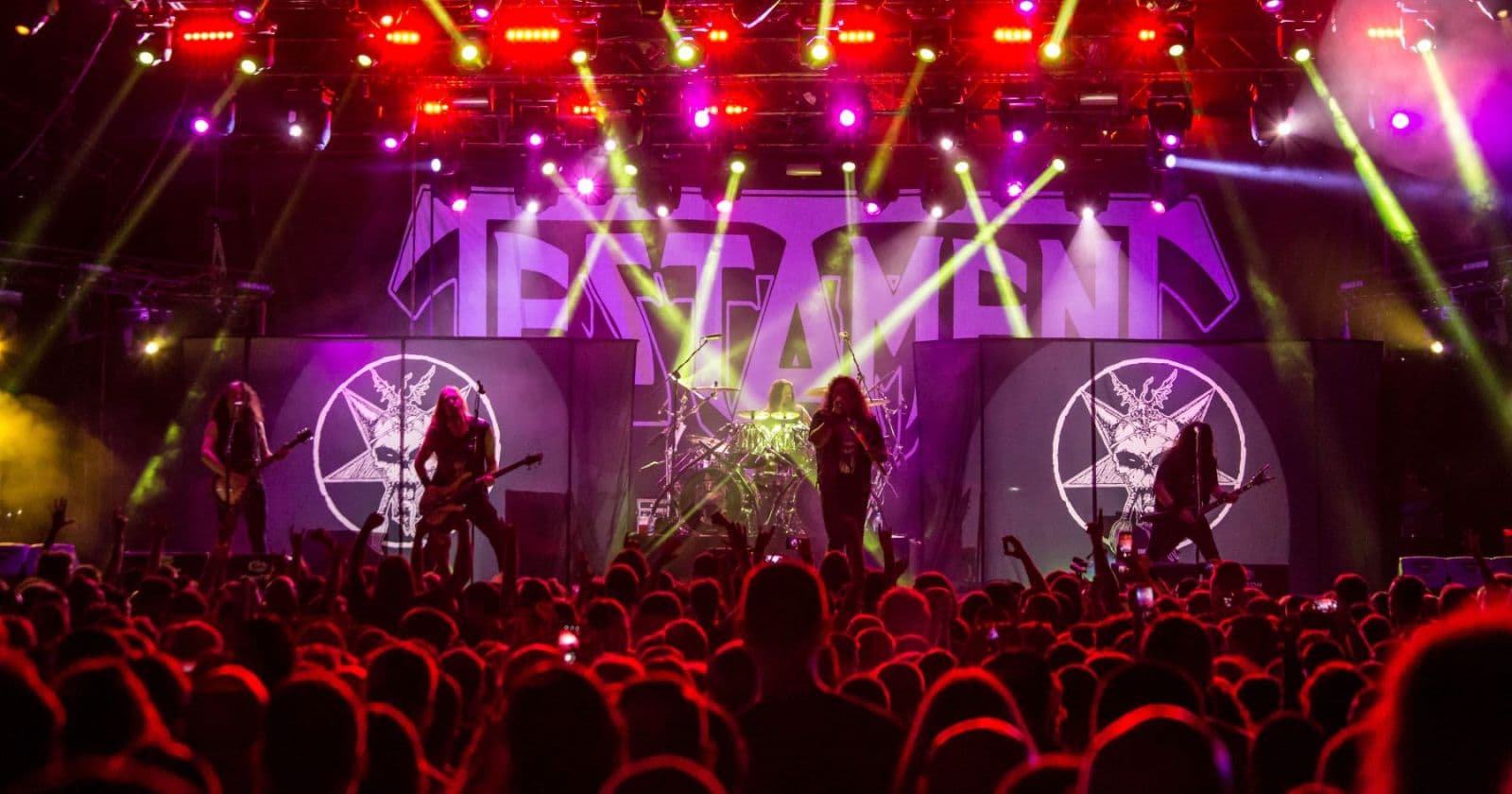
Arsenal Fest
One of the most significant music festivals in the region, held every summer in the unique industrial ambiance of the Prince's Arsenal.
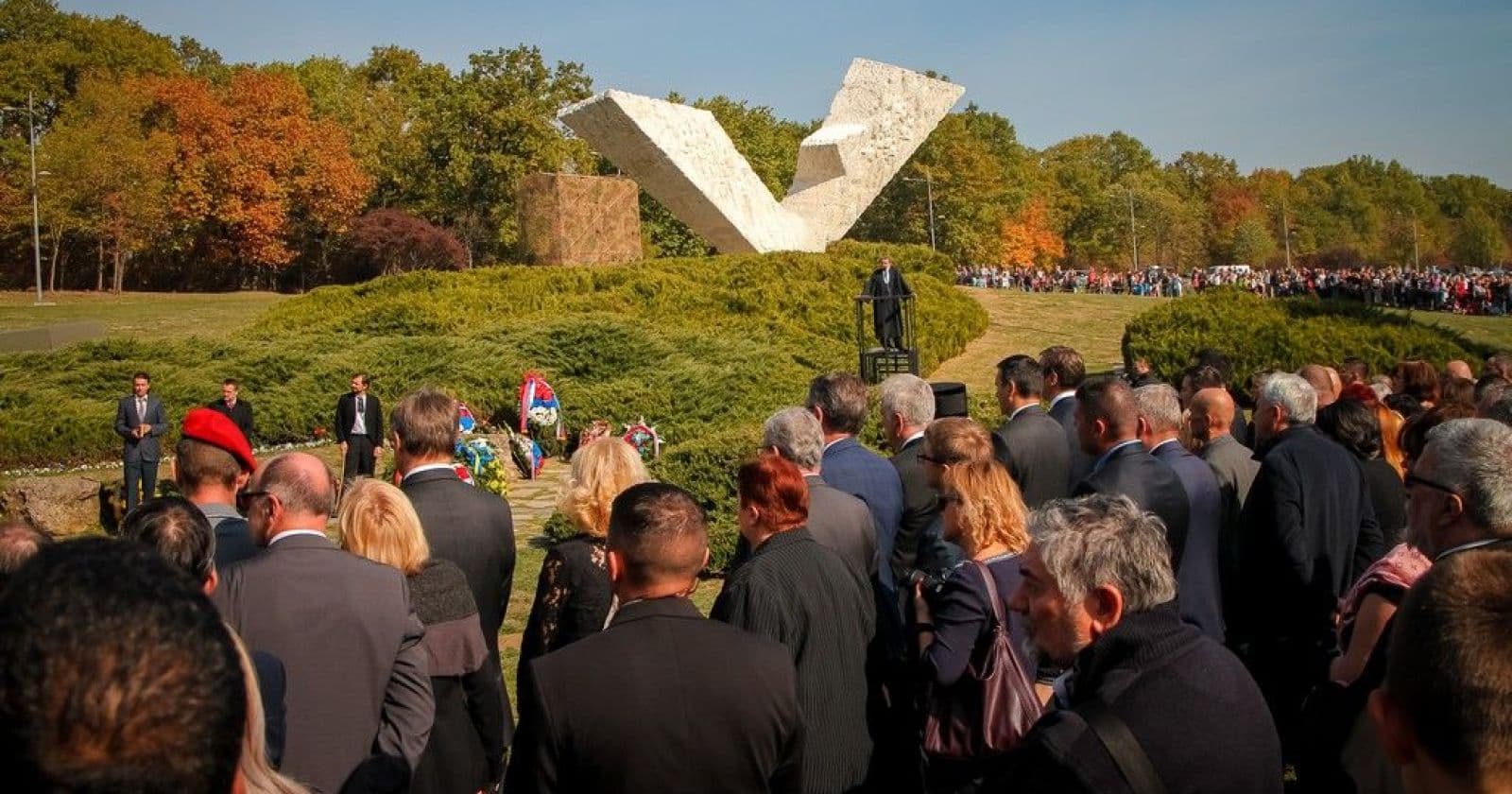
The Great School Hour
An anti-war manifestation held every October 21st in Šumarice in memory of the victims of the 1941 massacre. The central event includes the performance of a poem.
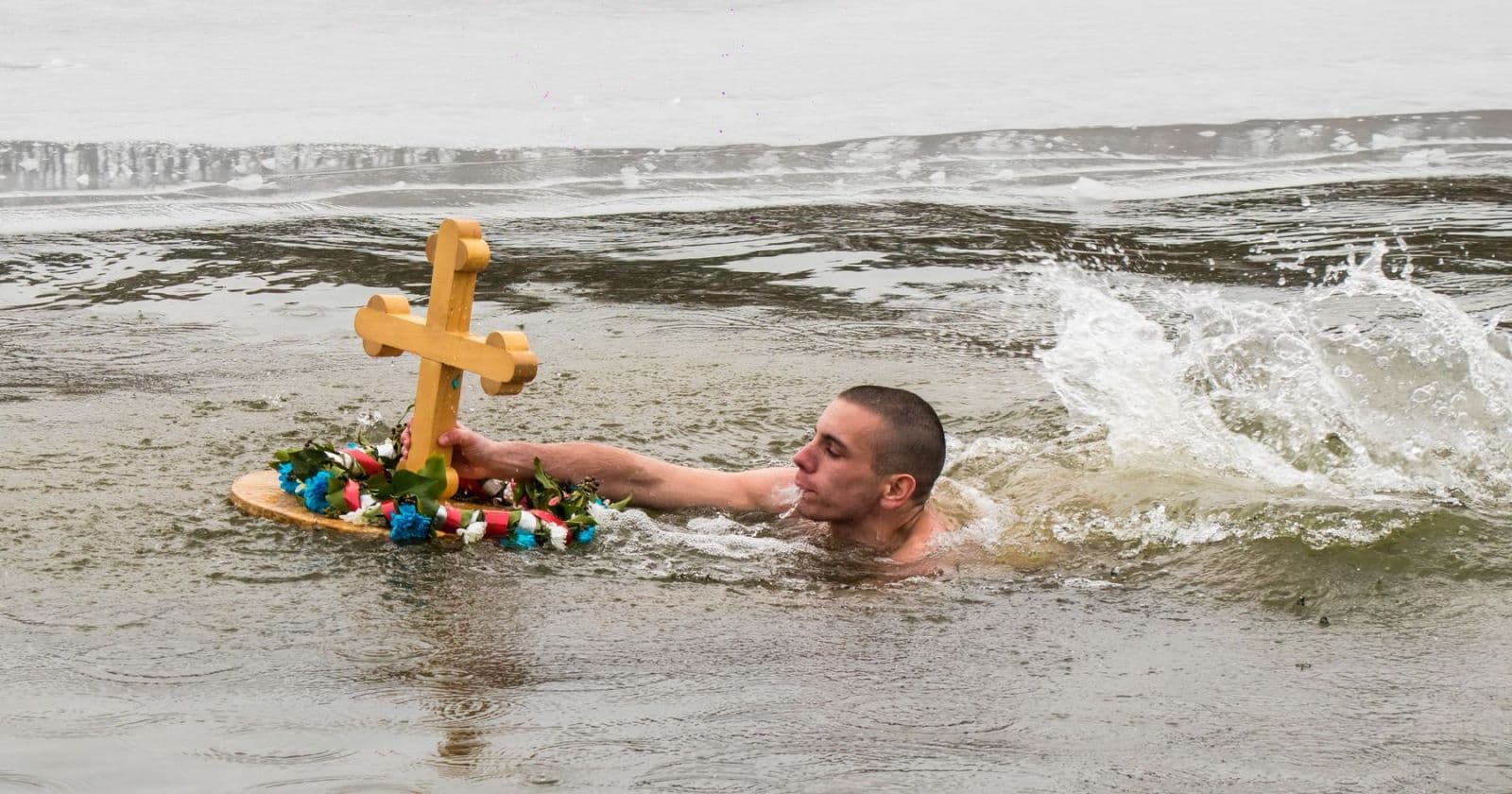
Swimming for the Holy Cross
Traditional spiritual and sports event on Epiphany (January 19th) at Šumarice Lake. Brave swimmers compete for the title of the Bearer of the Epiphany Cross.

Wine Salon
A prestigious event gathering the best winemakers from Serbia and the region, offering tastings of premium wines.
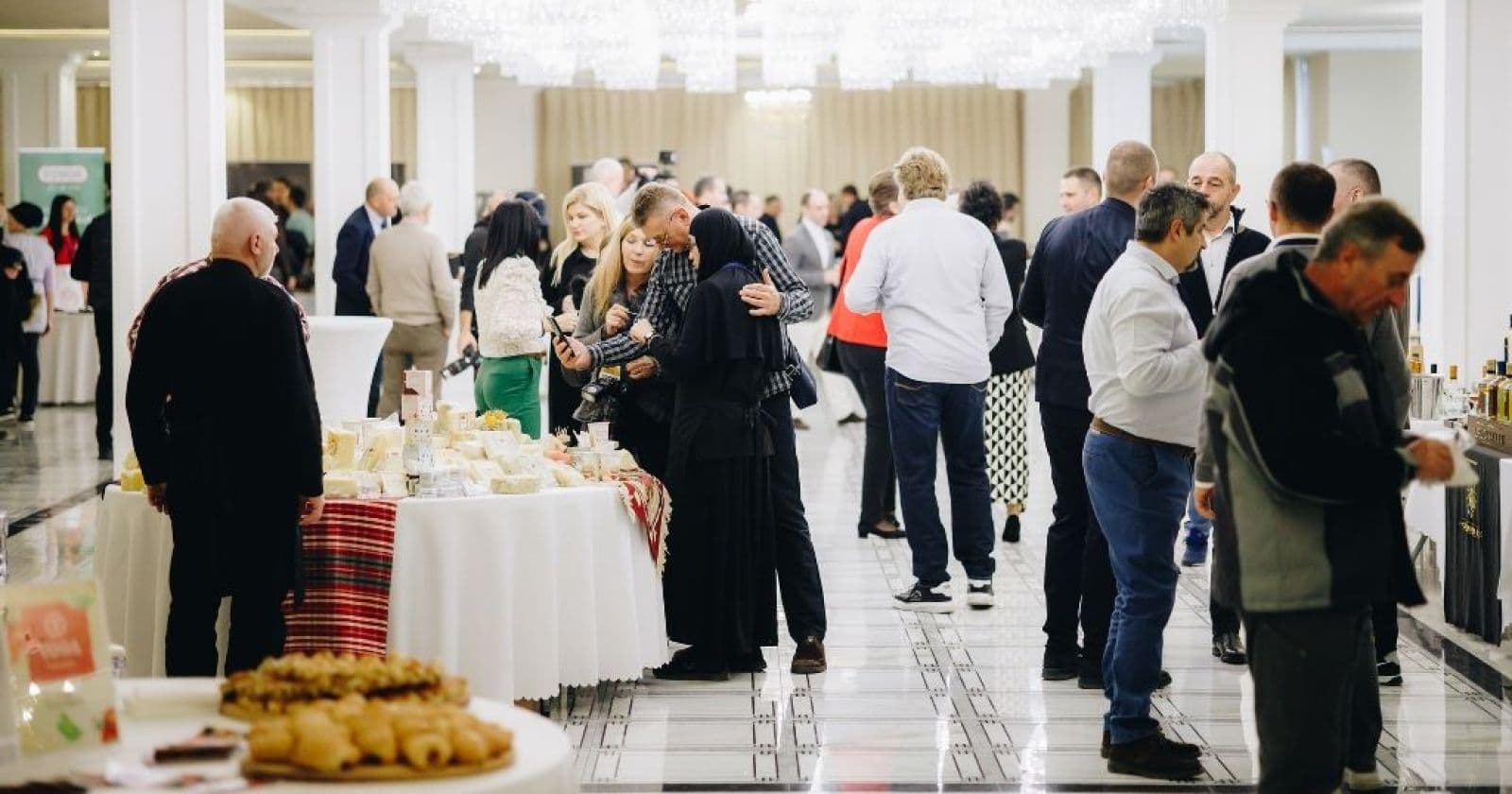
Šumadija Brandy Festival
An event dedicated to the promotion of fruit brandies, were distilleries from all over Serbia present their products with expert evaluations and tastings.
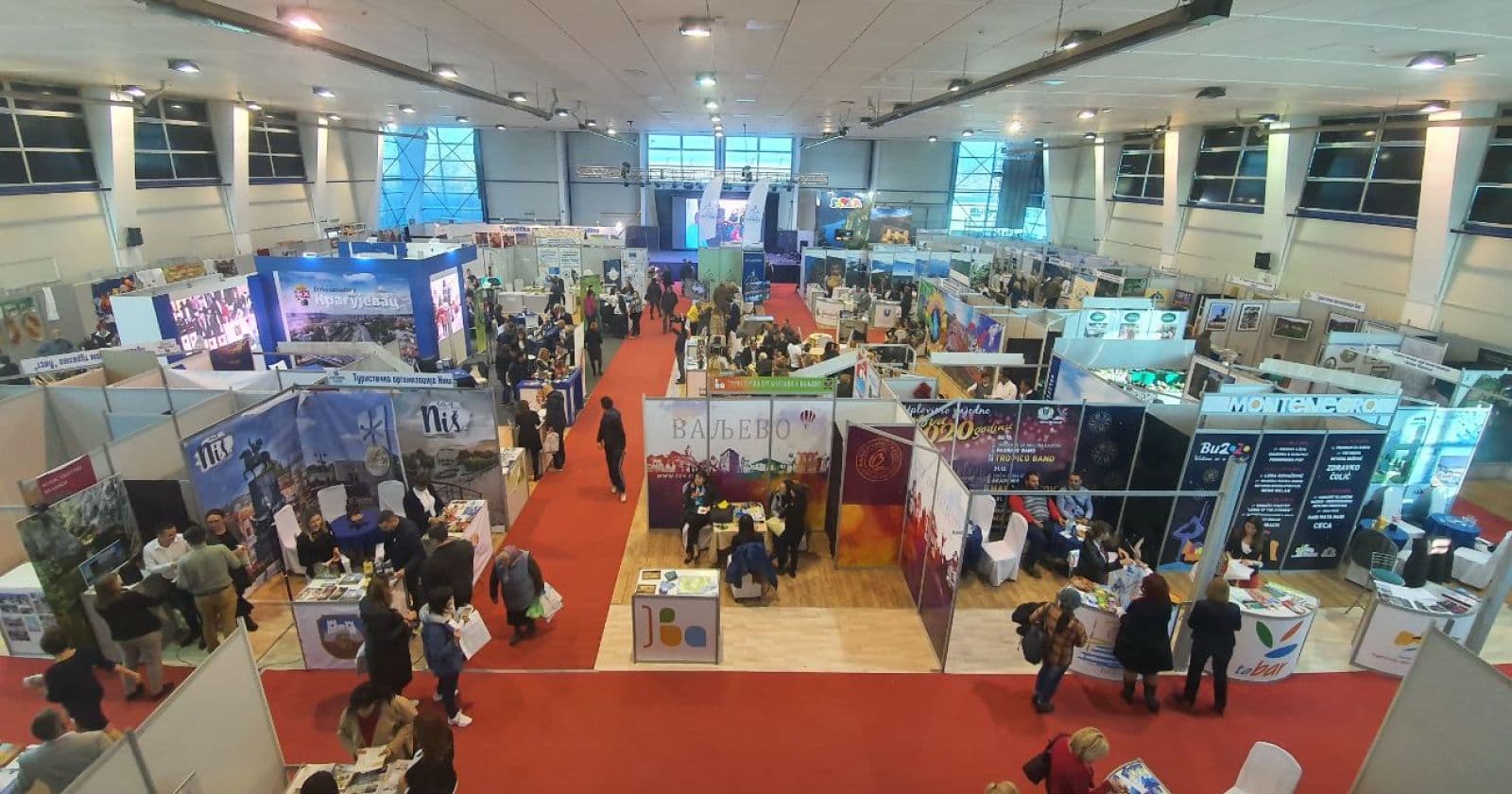
Tourism Fair
International Fair of Tourism and Rural Tourism gathering exhibitors from the country and the region, promoting tourism potentials.
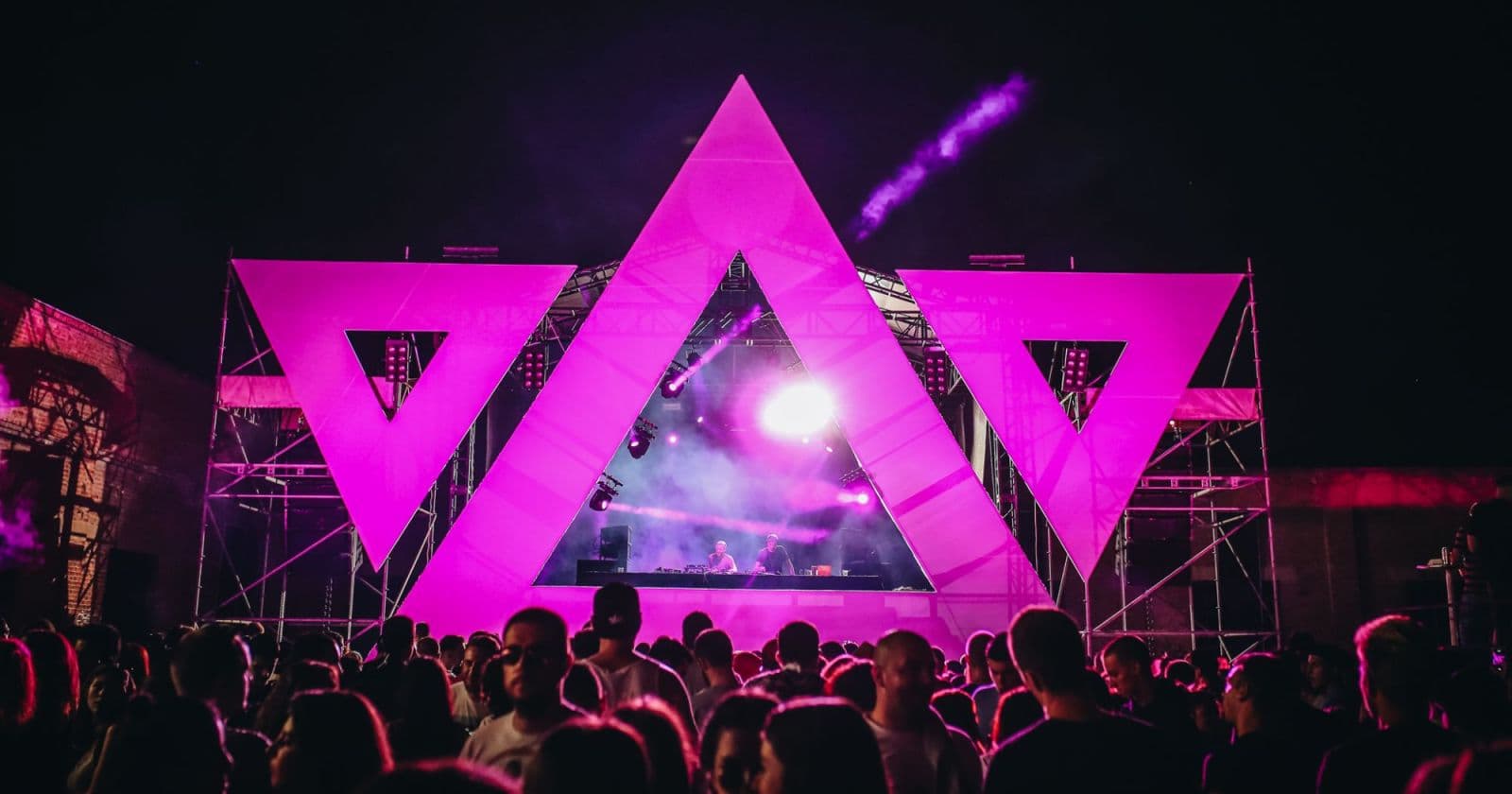
VIBE Fest
A music festival of electronic music and urban culture held at the Prince's Arsenal, gathering young people and fans of modern sound.
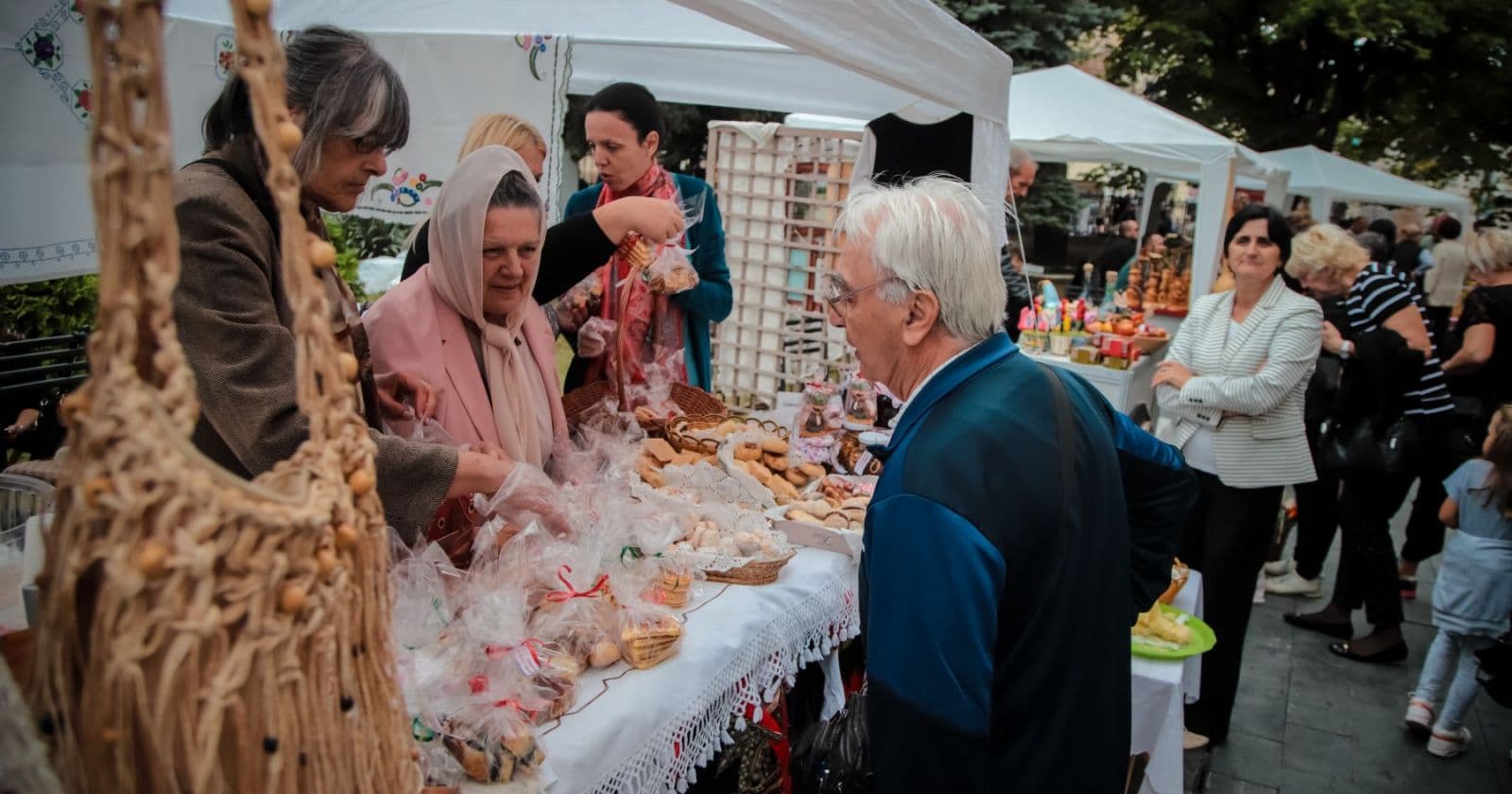
Folk Art Gathering
An event that preserves tradition and folk art, presenting handicrafts, dances, and songs from Šumadija.
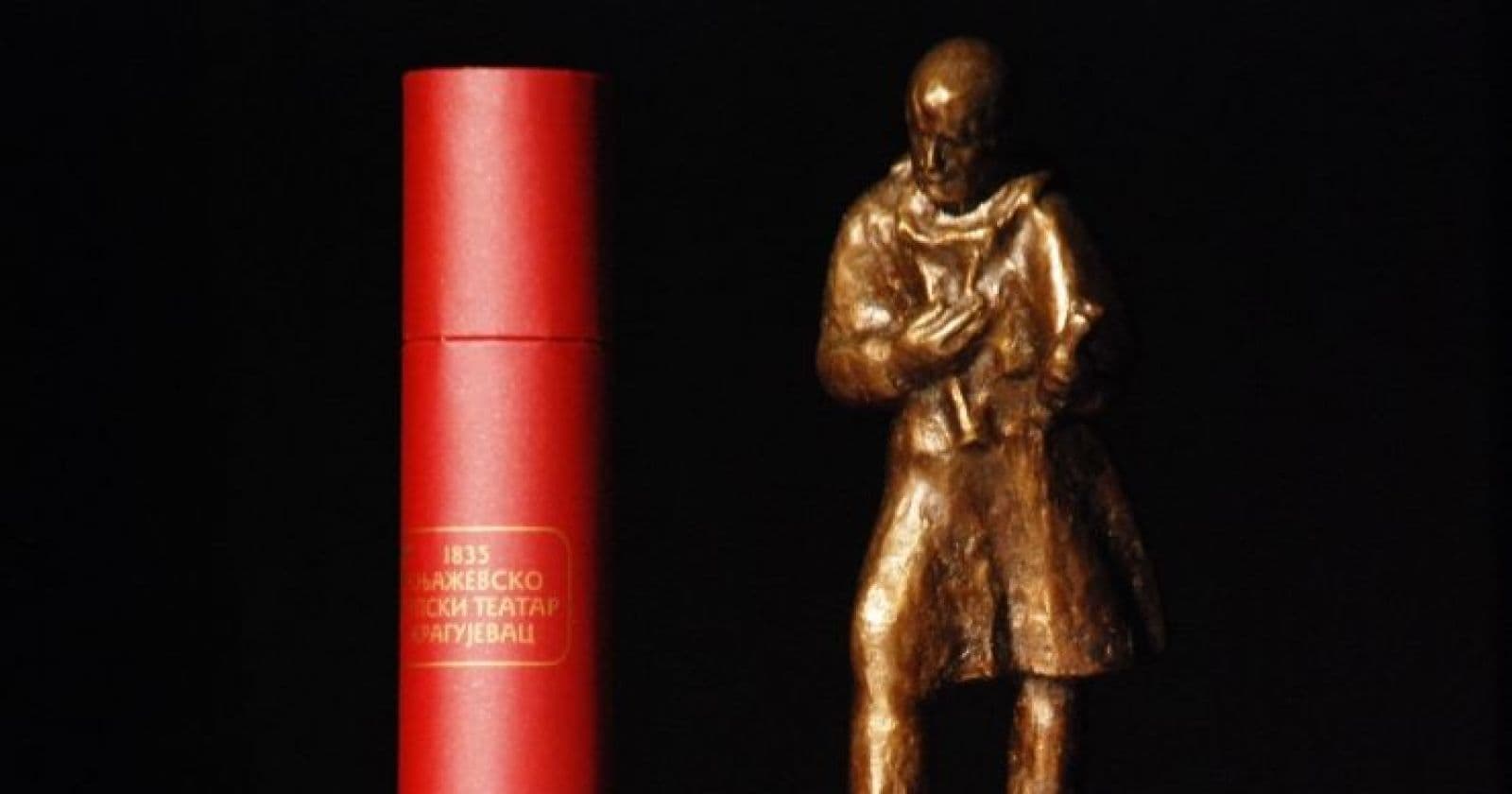
Theatre Day (Joakimfest)
International theater festival held at the Knjaževsko-Srpski Teatar, the oldest theater in Serbia, promoting contemporary theatrical tendencies.